
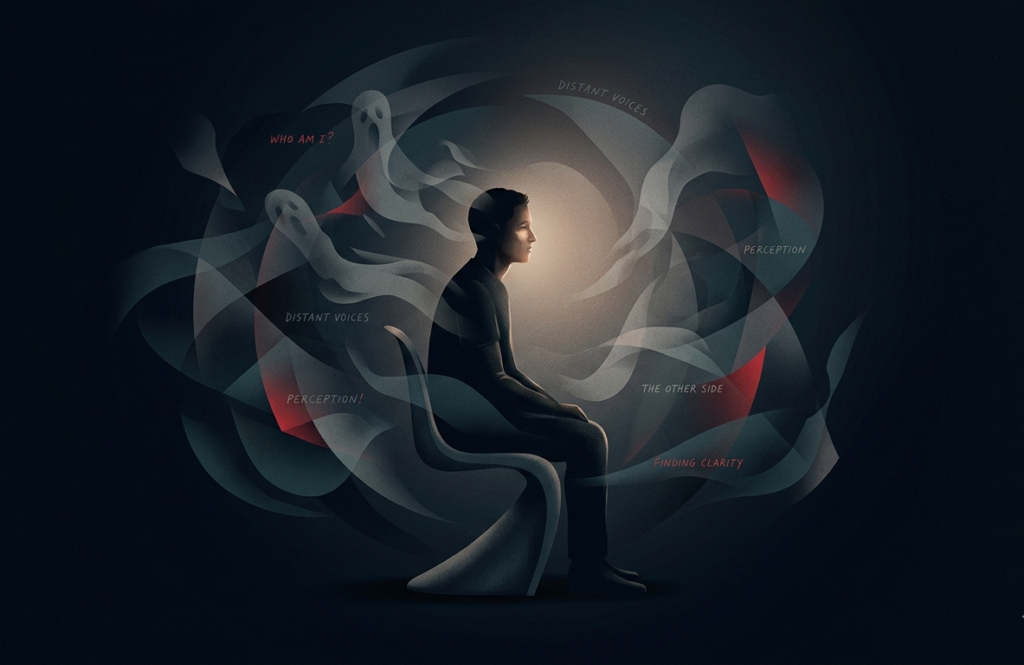
Schizophrenia
Symptoms, Causes & Treatment
A complete, medically accurate guide to understanding schizophrenia — one of the most serious psychotic disorders affecting millions worldwide.
Schizophrenia is one of the most complex and widely misunderstood mental illnesses in the world. It is a serious, long-term psychotic disorder that affects how a person thinks, feels, behaves, and understands reality. Millions live with schizophrenia, yet stigma, discrimination, and a widespread lack of awareness prevent many from receiving the mental health care they urgently need.
What Is Schizophrenia?
Schizophrenia is a chronic and severe mental illness classified as a psychotic disorder. It disrupts a person’s perception of reality — affecting their ability to think clearly, manage emotions, relate to others, and function in daily life. According to the WHO, schizophrenia affects approximately 23 million people worldwide — about 1 in 345 individuals globally, and 1 in 233 adults.
Schizophrenia is not the same as split personality disorder — a very common misconception. It is a distinct psychiatric condition with its own symptoms, causes, and treatments. The onset of schizophrenia most often occurs during late adolescence and the twenties. Men tend to develop it earlier than women, and it affects all cultures and backgrounds equally.
Key fact: People with schizophrenia experience significant disability in personal, social, and occupational areas of life. Yet with proper treatment, many can lead meaningful, productive lives.
Schizophrenia Symptoms and Causes: A Detailed Look
The symptoms of schizophrenia are wide-ranging and vary significantly between individuals. Clinicians group them into three main categories: positive symptoms, negative symptoms, and cognitive symptoms.
Positive Symptoms
- Hallucinations (voices)
- Persistent delusions
- Disorganized thinking
- Bizarre behavior
- Catatonia
Negative Symptoms
- Flat or blunted affect
- Limited speech (alogia)
- Loss of pleasure (anhedonia)
- Lack of motivation
- Social withdrawal
Cognitive Symptoms
- Poor working memory
- Difficulty concentrating
- Slow processing speed
- Impaired problem-solving
- Disorganized speech
Positive Symptoms: Hallucinations & Delusions
Hallucinations — most commonly hearing voices — are among the most recognizable symptoms of schizophrenia and feel completely real to the person experiencing them. Delusions are persistent, fixed false beliefs held firmly despite clear evidence to the contrary. A person might believe they are being monitored, have a special mission, or that strangers are sending coded signals.
Disorganized thinking causes people with schizophrenia to speak in ways that jump between unrelated topics or use words in meaningless sequences.
Negative Symptoms: What Is Lost
Negative symptoms of schizophrenia reflect a reduction in normal functioning — often harder to detect than hallucinations and delusions but equally disabling. Reduced emotional expression, loss of pleasure (anhedonia), decreased motivation (avolition), and social withdrawal are all hallmarks.
Cognitive Symptoms: The Hidden Burden
Cognitive symptoms are subtle but profoundly affect daily life. People with schizophrenia frequently struggle with memory, attention, and problem-solving — making it difficult to hold a job, manage relationships, or complete routine tasks.
What Causes Schizophrenia?
Research has not identified one single cause. Schizophrenia results from a complex interaction between genetic risk and a range of environmental factors.
-
01
Genetic Risk Having a close family member with schizophrenia significantly raises risk. Identical twin studies show ~50% concordance — confirming genetics as a major but not sole factor.
-
02
Brain Chemistry — Dopamine & Serotonin Imbalances in dopamine, serotonin, and glutamate pathways are strongly linked to schizophrenia. Excess dopamine causes positive symptoms; reduced dopamine in frontal regions drives negative symptoms.
-
03
Brain Structure Abnormalities Enlarged ventricles and reduced gray matter have been documented, contributing to cognitive symptoms of schizophrenia.
-
04
Environmental Risk Factors Prenatal complications, childhood trauma, chronic stress, and social isolation all raise schizophrenia risk in genetically predisposed individuals.
-
05
Substance Use Cannabis, LSD, and amphetamines can trigger or accelerate the onset of psychosis. Adolescent cannabis use is particularly associated with increased schizophrenia risk.
How Is Schizophrenia Diagnosed?
There is no single lab test or brain scan that definitively diagnoses schizophrenia. A psychiatrist makes the diagnosis based on thorough clinical evaluation. A person must have experienced at least two core symptoms — including delusions, hallucinations, or disorganized speech — for a significant portion of a one-month period, with signs persisting for at least six months.
Diagnosis also involves ruling out other causes of psychosis such as substance use, bipolar disorder, or severe depression. Early diagnosis is critical — the sooner treatment begins, the better the long-term outcomes.
Important: A psychiatrist will assess symptom history, duration, and functioning, and exclude other conditions before confirming a schizophrenia diagnosis.
How Is Schizophrenia Treated?
Schizophrenia is highly treatable. With the right plan — combining antipsychotic medication, psychotherapy, and social support — many people with schizophrenia manage their symptoms and live full, meaningful lives.
Antipsychotic Medication
The cornerstone of schizophrenia treatment. Antipsychotics modulate dopamine activity. First-generation (haloperidol, chlorpromazine) and second-generation (clozapine, risperidone, olanzapine) options are available. Long-acting injectables support adherence.
Psychotherapy & Social Support
Cognitive Behavioral Therapy (CBT) helps challenge distorted thinking. Family therapy, social skills training, and supported employment programs improve functioning. Coordinated Specialty Care (CSC) combines all approaches.
Medication Adherence: A Key Challenge
Many people with schizophrenia stop taking antipsychotic medication due to side effects or feeling better. Relapses after stopping are common and severe. Long-acting injectable antipsychotics (every 2–4 weeks) are a key solution for those who struggle with daily oral medication.
Living With Schizophrenia
Living with schizophrenia is challenging — but recovery is possible. At least 1 in 3 people with schizophrenia experience complete remission of symptoms. People with schizophrenia can hold jobs, maintain relationships, pursue education, and live independently with the right support.
People with schizophrenia die on average nine years earlier than the general population — primarily due to cardiovascular disease, metabolic disorders, and infectious diseases that go poorly managed due to limited health care access.
Recovery is real: With consistent antipsychotic treatment and therapy, at least 1 in 3 people achieve complete symptom remission. Many more lead meaningful lives with ongoing management.
Can Schizophrenia Be Prevented?
There is currently no known way to fully prevent schizophrenia. However, early intervention at the first sign of psychosis significantly reduces severity and improves long-term outcomes.
Reducing known risk factors helps — avoiding substance use (especially cannabis during adolescence), managing stress, and addressing childhood trauma early are all protective steps. Ongoing research into brain chemistry and biomarkers may soon make targeted prevention feasible.
Schizophrenia, Stigma & Human Rights
Stigma and discrimination against people with schizophrenia remain among the most devastating barriers to recovery. Harmful media portrayals falsely paint people with this psychotic disorder as violent — when in reality they are far more likely to be victims of violence than perpetrators.
Globally, people with schizophrenia face serious human rights violations in institutions and communities alike. Stigma causes social exclusion that impacts relationships, employment, housing, and health care access.
The WHO and leading mental health organizations are working to shift care toward community-based, person-centered mental health care that respects the dignity and autonomy of individuals with schizophrenia.
Schizophrenia Is Manageable With the Right Care
Schizophrenia is a serious, chronic mental illness — but it is not a life sentence. With timely diagnosis, consistent antipsychotic medication, psychotherapy, and robust mental health care, many people achieve remission and live full lives.
The key lies in closing the global treatment gap, fighting stigma and discrimination, and ensuring every person with schizophrenia gets the specialist care they deserve. Schizophrenia does not define a person. Recovery is happening every day, for millions worldwide.
If you or someone you know shows signs of psychosis, hallucinations, delusions, or other schizophrenia symptoms — seek medical help immediately. Early intervention is the most powerful tool we have.
↑ Back to TopThis article is for informational purposes only and does not constitute medical advice. Consult a qualified mental health professional for diagnosis and treatment of schizophrenia or any mental illness.